

Colonial History and Cultural Fusion
The sugar industry’s demand for cheap labour under the Dutch, French and English brought Africans, Indians, Chinese, Europeans, and Portuguese from Madeira to Guyana, each contributing their unique cultural heritage.
And even before any of these cultures there was the indigenous population of Amerindians that had lived here for centuries before European conquest. This mix has profoundly influenced our lifestyle and continues to shape contemporary Guyanese culture.
Celebrating Diversity
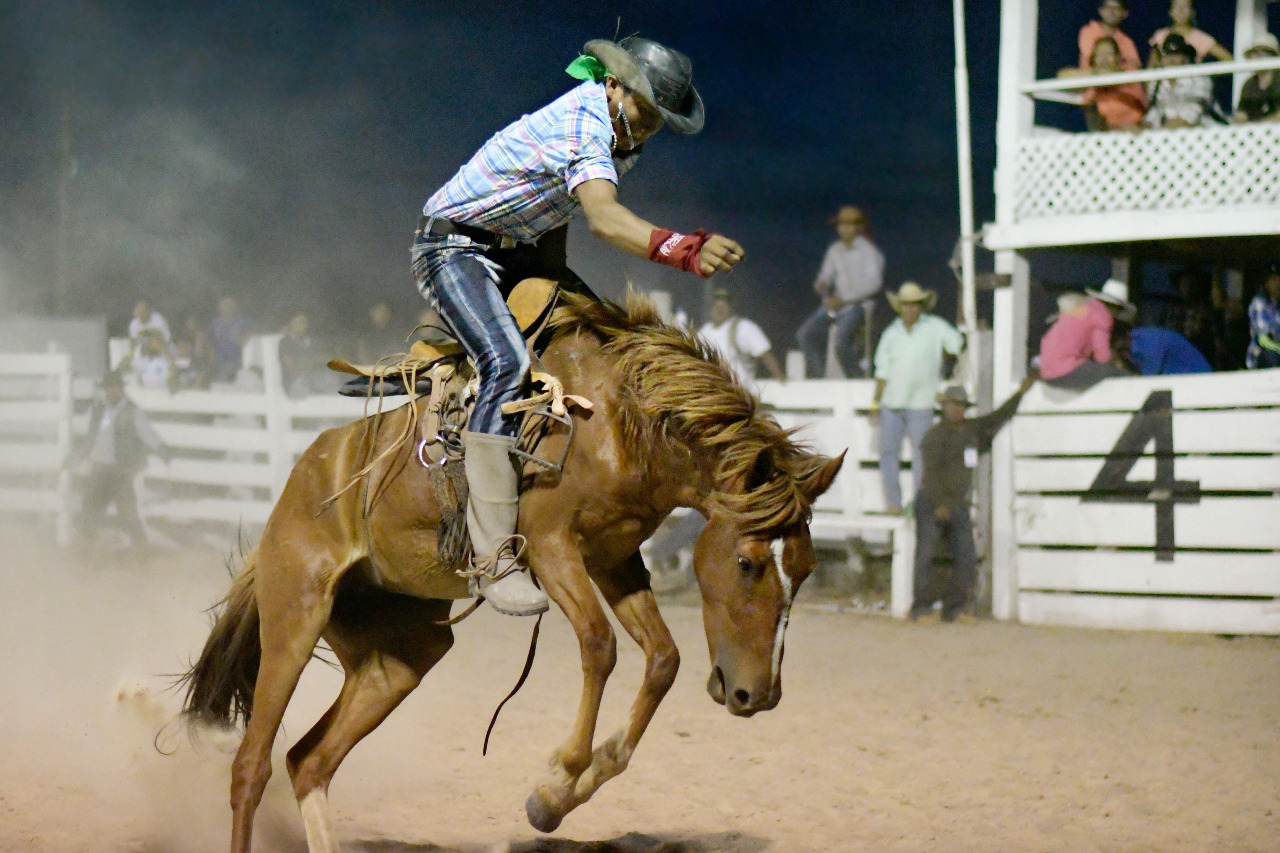
Guyana’s cultural landscape is a testament to the strength and beauty of diversity. Our festivals, music, dance, and culinary traditions are celebrated throughout the year, showcasing the harmonious coexistence of various cultural influences. Visitors and locals alike can immerse themselves in this rich tapestry, experiencing the warmth and hospitality that define Guyanese culture.
Explore the vibrant and diverse culture of Guyana on our website, where you can delve deeper into our history, traditions, and contemporary lifestyle. Whether you’re interested in festivals, cuisine, or the arts, there’s something for everyone to discover and appreciate in the cultural heart of Guyana.
Visit and Experience
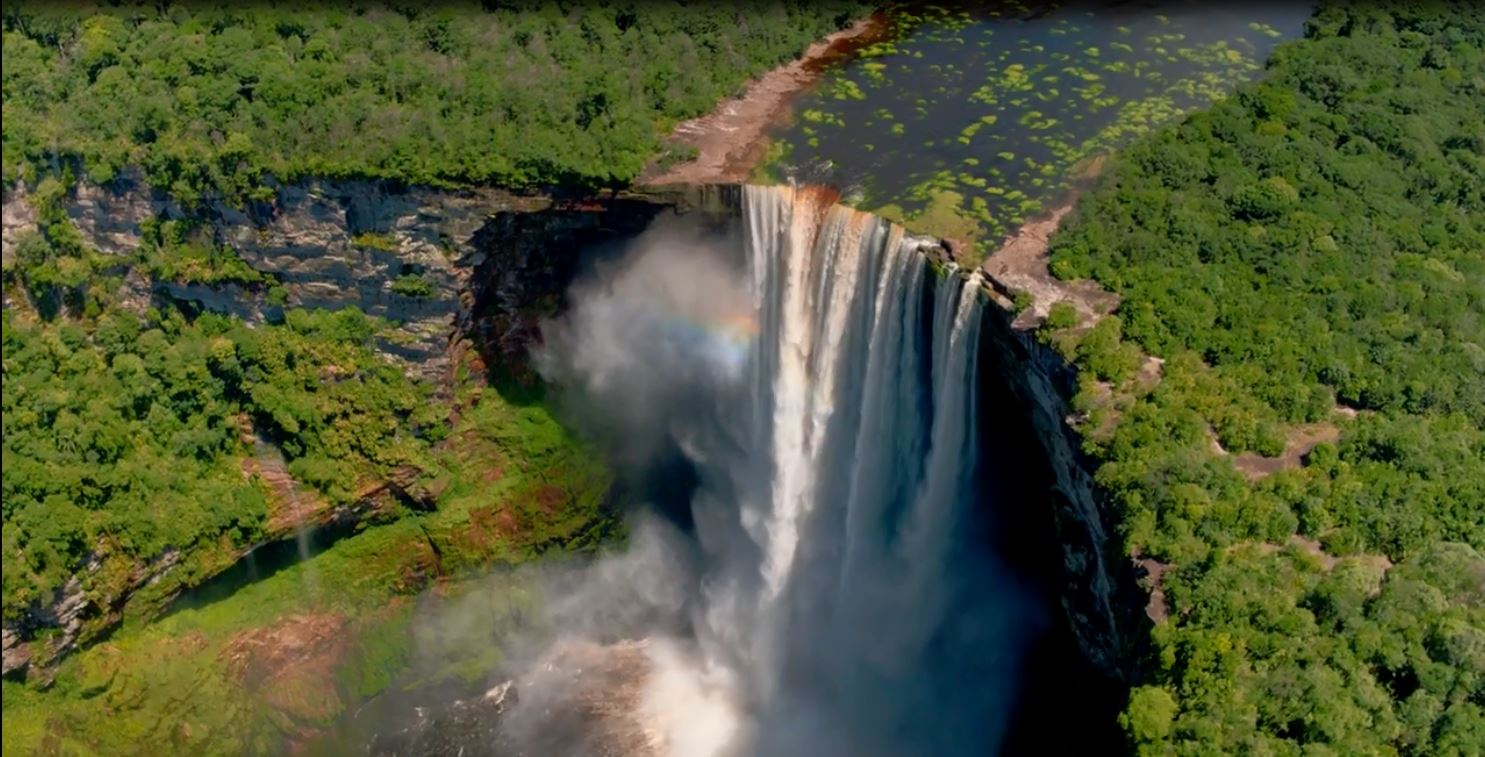
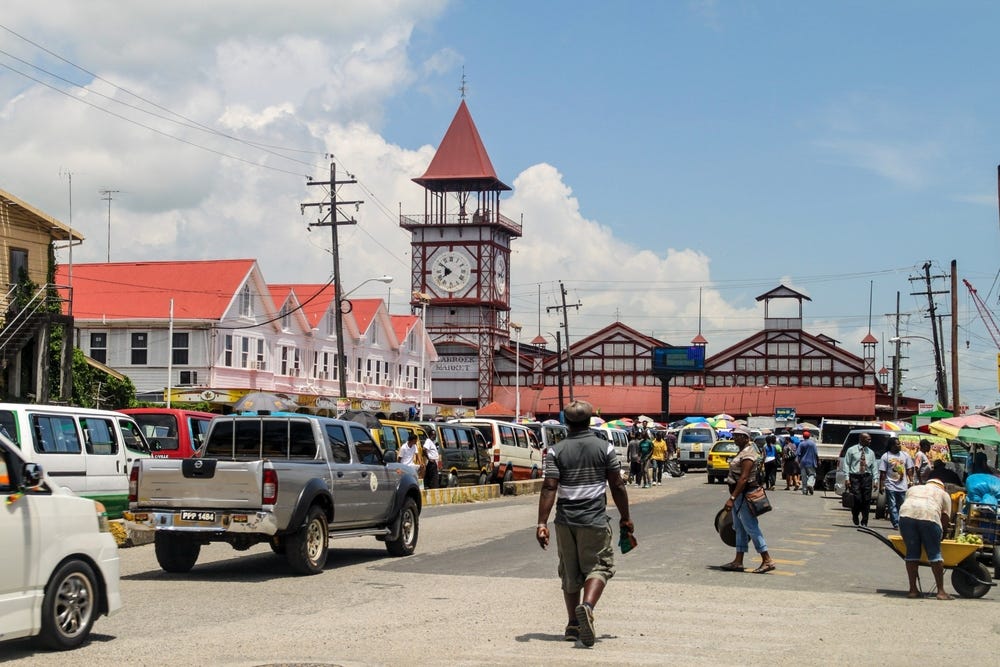
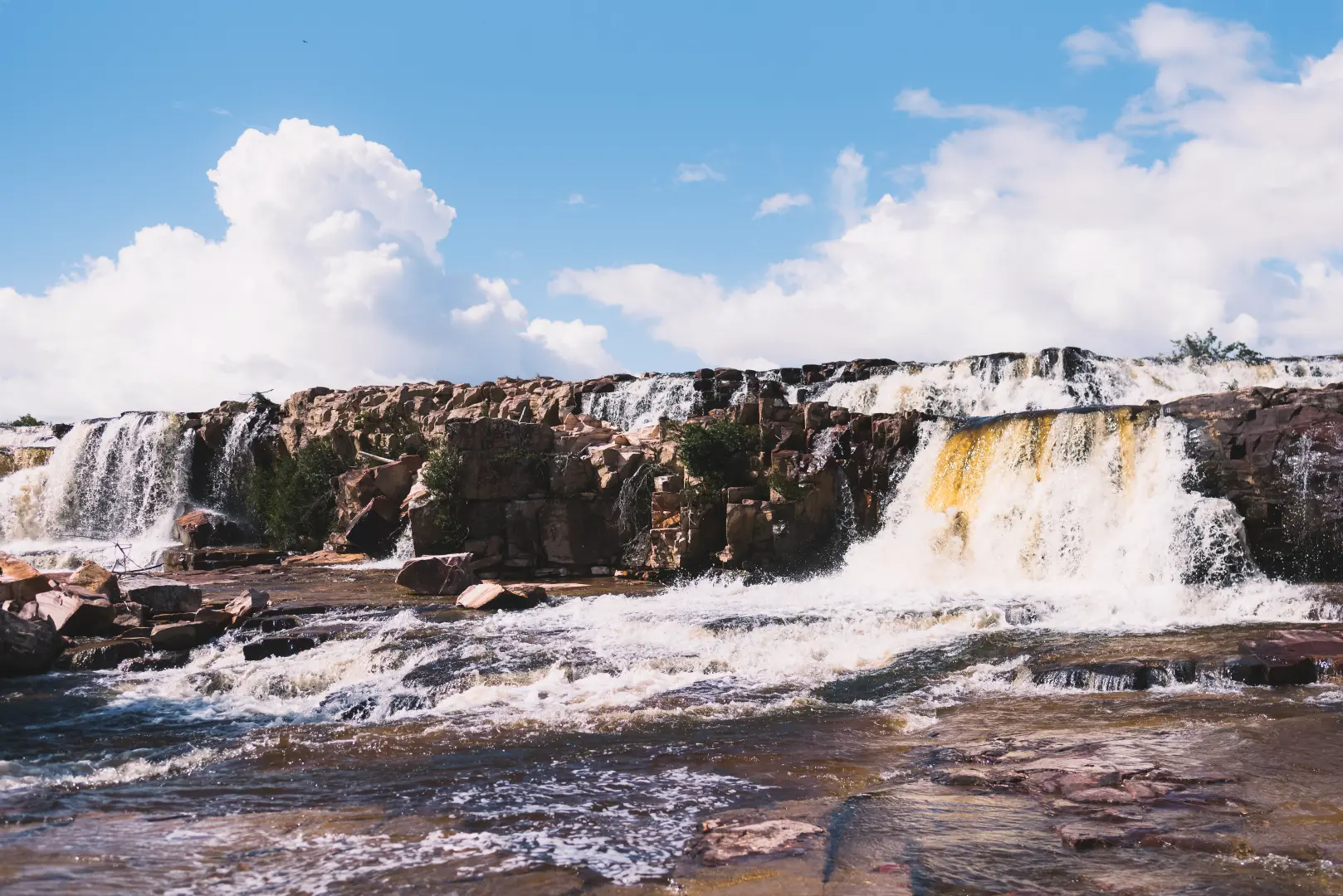
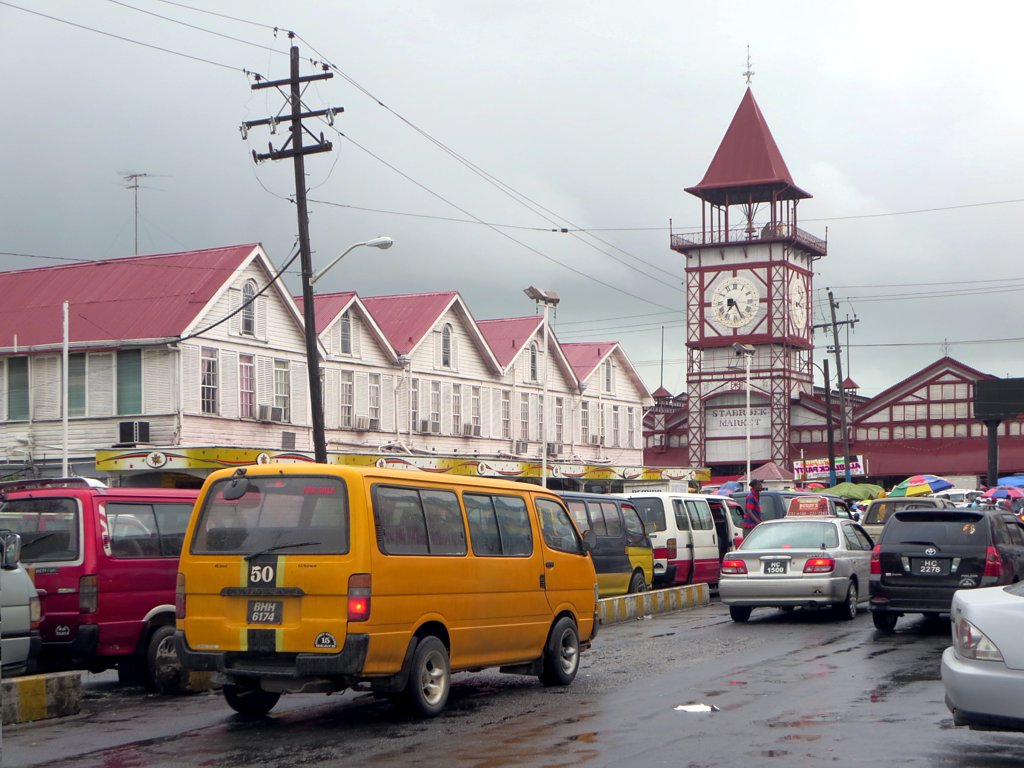
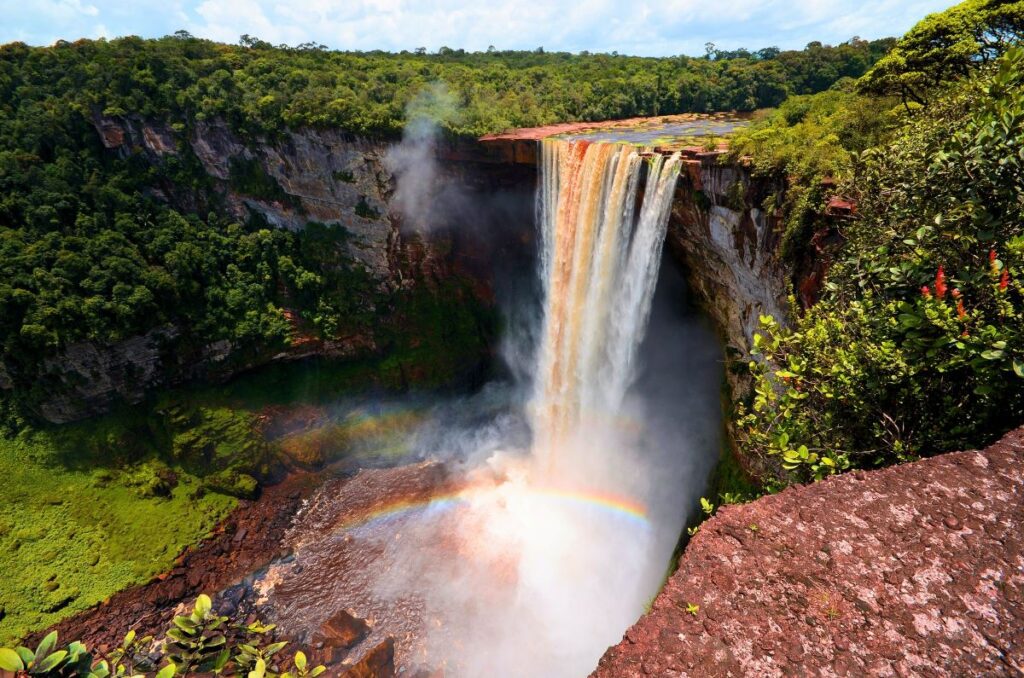
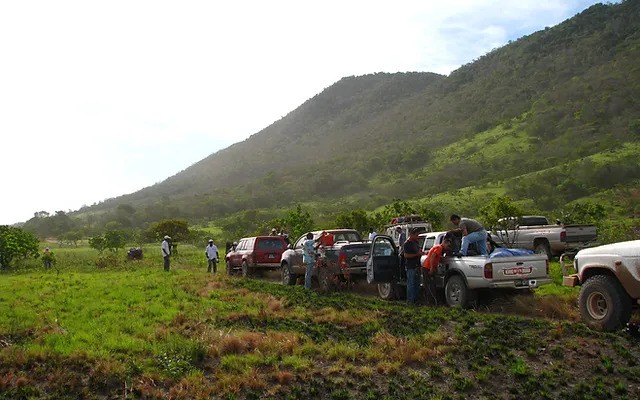
Guyana’s culture is not just in our festivals, food, and music; it is in our everyday life, our warmth, and our hospitality. Whether you are exploring the lush rainforests, visiting our vibrant markets, or attending a local festival, there is always something new to discover and experience.
We invite you to immerse yourself in the rich tapestry of Guyanese culture. Visit our cultural hotspots, participate in our festivals, and enjoy the warmth of our people. Explore the unique blend of traditions that make Guyana a truly special destination.
Feel free to dive deeper into our cultural heritage as you navigate through our website. Discover stories, videos, and galleries that celebrate the beauty and diversity of Guyanese culture. Join us in celebrating the past, present, and future of this remarkable land.

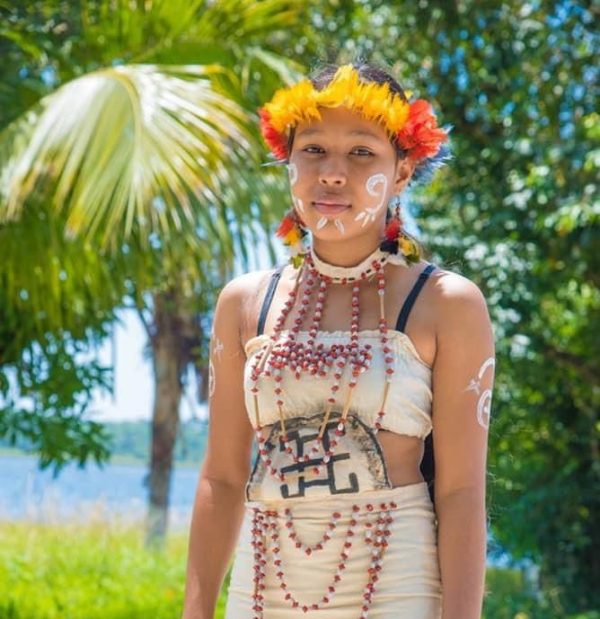
The indigenous Amerindian communities, the original inhabitants of Guyana, are vital to the nation’s cultural identity. Their crafts, music, and traditional ceremonies enrich the cultural landscape, particularly during Amerindian Heritage Month, which celebrates their contributions. This event highlights their art, dance, and culinary traditions, offering a window into their enduring cultural legacy.

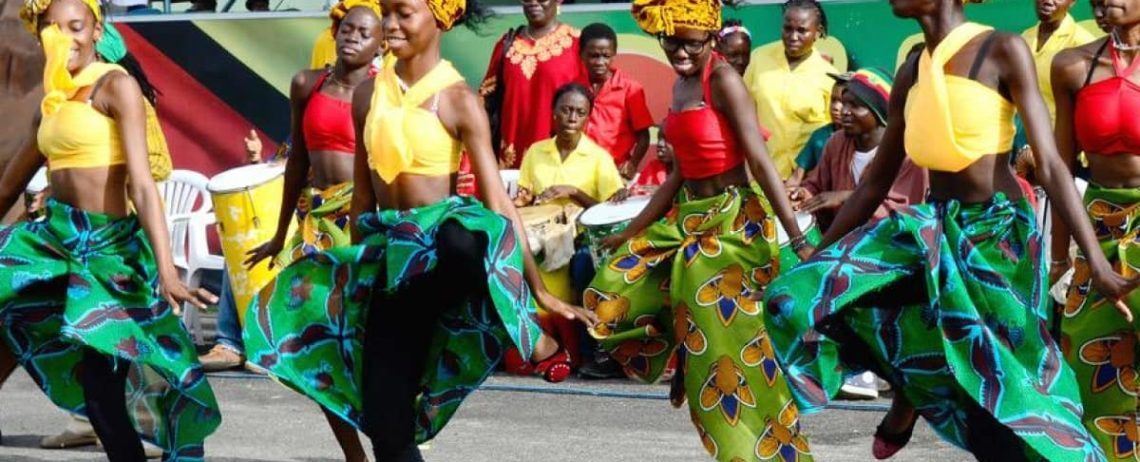
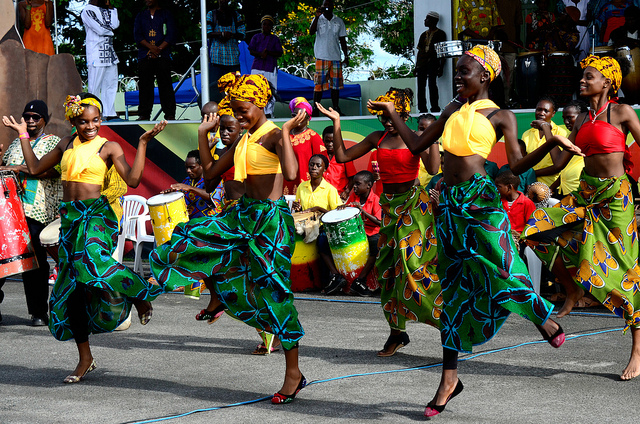
The African community's influence is deeply woven into Guyana’s cultural fabric through music, dance, and religious practices. African drumming, folk songs, and vibrant dances like the Kwe-Kwe highlight the resilience of this heritage. Emancipation Day is a pivotal celebration that honours the enduring spirit and traditions of the African Guyanese community.

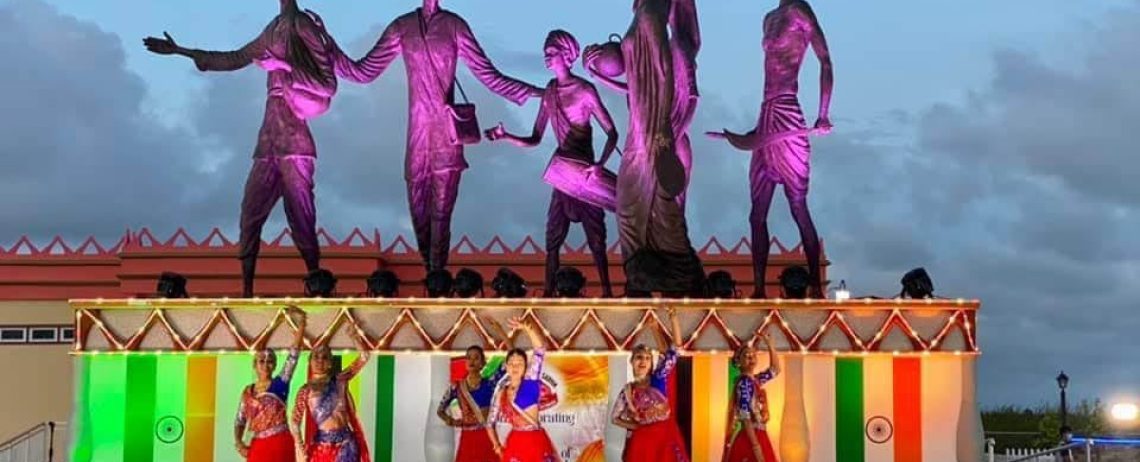
Indian indentured laborers have left an indelible mark on Guyanese culture, introducing vibrant festivals like Diwali and Phagwah, which are now integral to the national calendar. Their influence extends to cuisine, with dishes like roti, curry, and biryani becoming beloved staples. Indian traditions continue to enrich Guyana's multicultural landscape.
Chinese immigrants have significantly shaped Guyanese culture, particularly through festivals like Chinese New Year, which features dragon dances, fireworks, and traditional foods. The culinary influence is profound, with dishes like fried rice and chow mein becoming local favourites. The Chinese community’s contributions add to Guyana’s rich cultural tapestry.

The Portuguese, arriving as indentured laborers, played a key role in establishing the Catholic Church in Guyana, diversifying the religious landscape. Their influence is also seen in wine-making, distillery skills, and culinary traditions. Garlic pork, now a national dish, highlights the lasting impact of Portuguese culture on Guyanese cuisine.

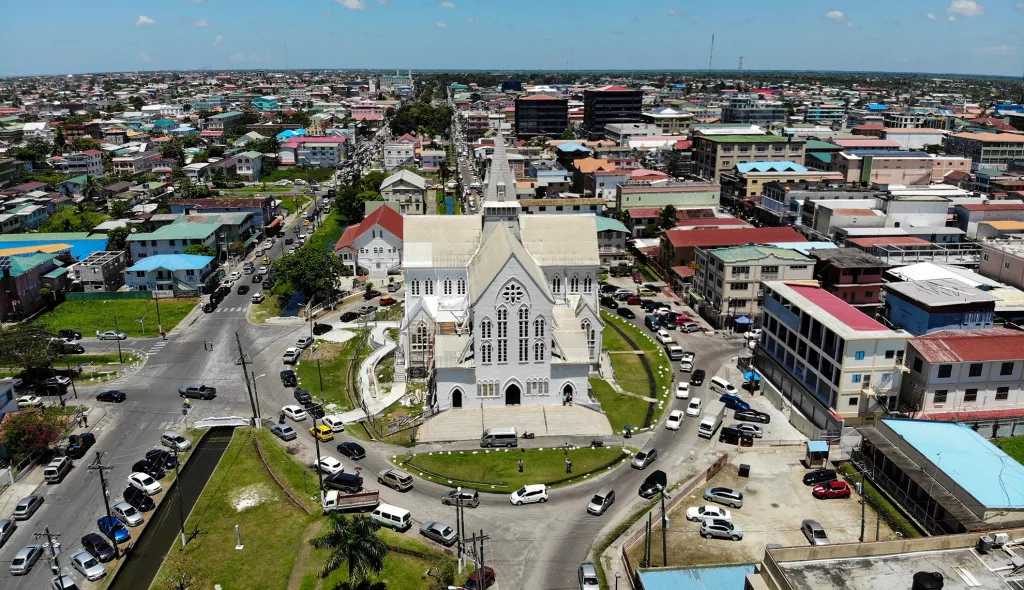
European colonizers, particularly the Dutch, French, and British, profoundly influenced Guyana’s architecture, legal system, and education. Their legacy includes the establishment of institutions like the Civil Service and the sugar industry, dominated by the British conglomerate Bookers. European cultural imprints are also evident in place names and architectural styles.
Festivals and Traditions
Festivals and national holidays in Guyana reflect our rich cultural diversity and historical heritage. Each occasion offers a unique glimpse into the traditions, music, and cuisine that define our people. From vibrant festivals to solemn observances, these events are integral to our national identity and provide opportunities for communal celebration and reflection.
New Year’s Day – January 1st
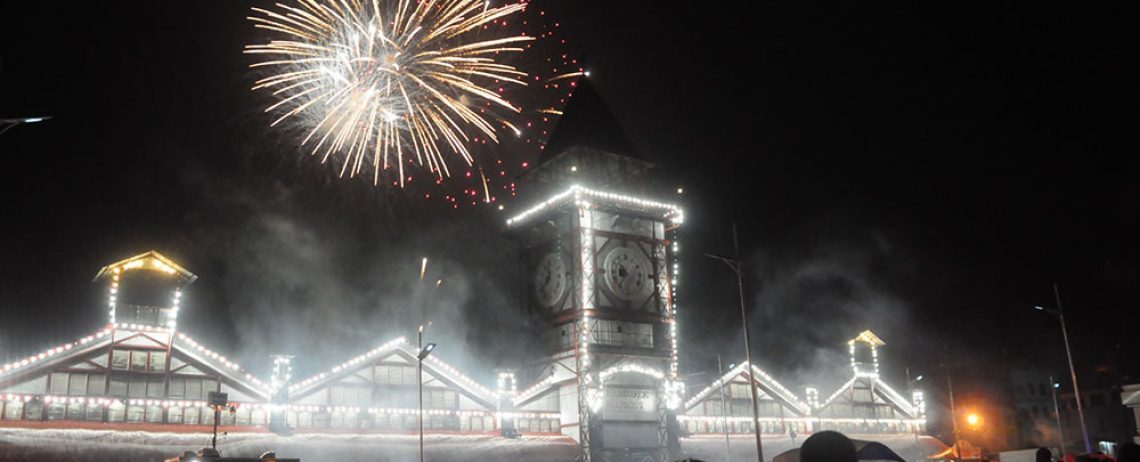
New Year’s Day in Guyana is celebrated with family gatherings, church services, fireworks, and festive meals, including traditional dishes like black cake and pepperpot. The day reflects the country’s diverse culture, blending prayer, reflection, and celebration to welcome the new year with hope and renewed goals.
Republic Day / Mashramani – February 23rd
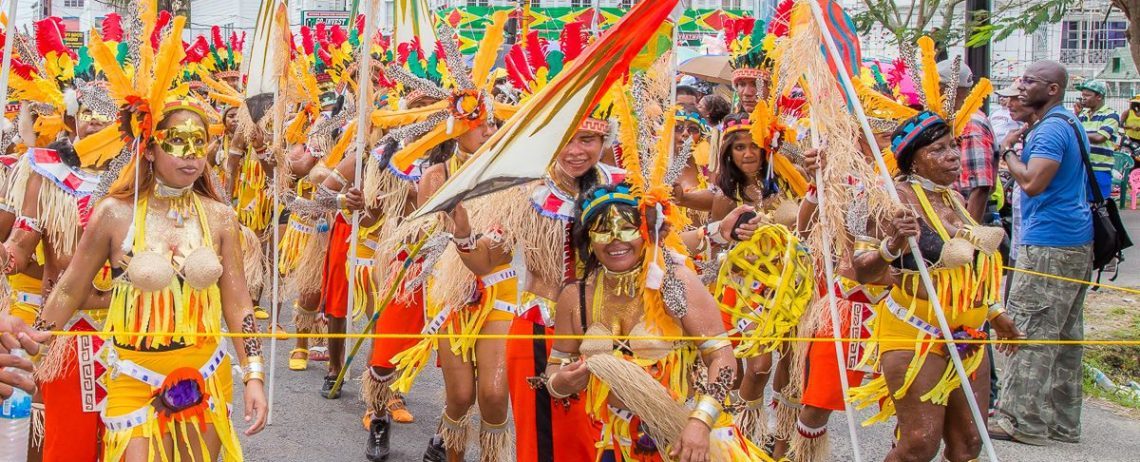
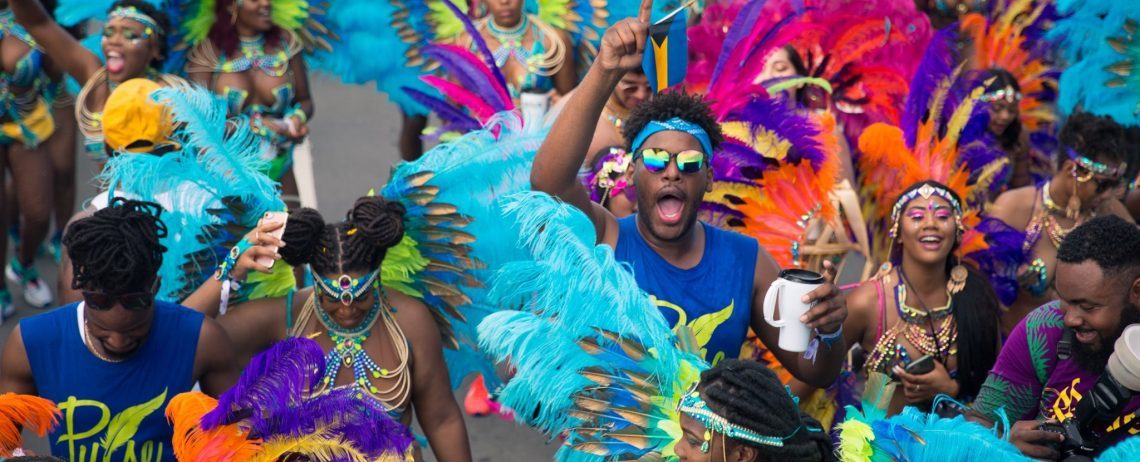
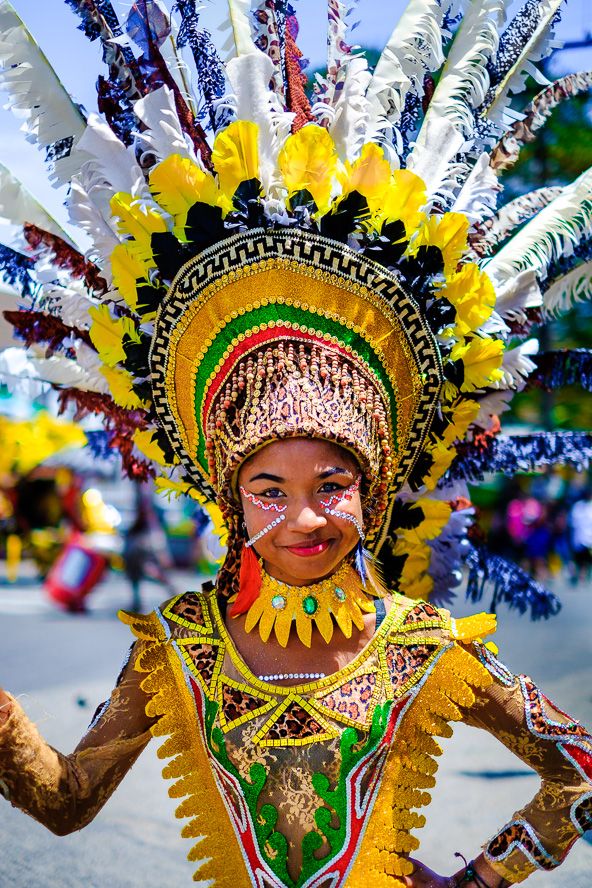
Mashramani, or Republic Day, celebrates Guyana becoming a republic in 1970. Marked by colourful parades, music, and dance, it reflects national pride and unity. The festivities include costume competitions, calypso, and soca performances, showcasing Guyana’s diverse cultural heritage in a joyful celebration of independence.
Phagwah (Holi) – March 25th
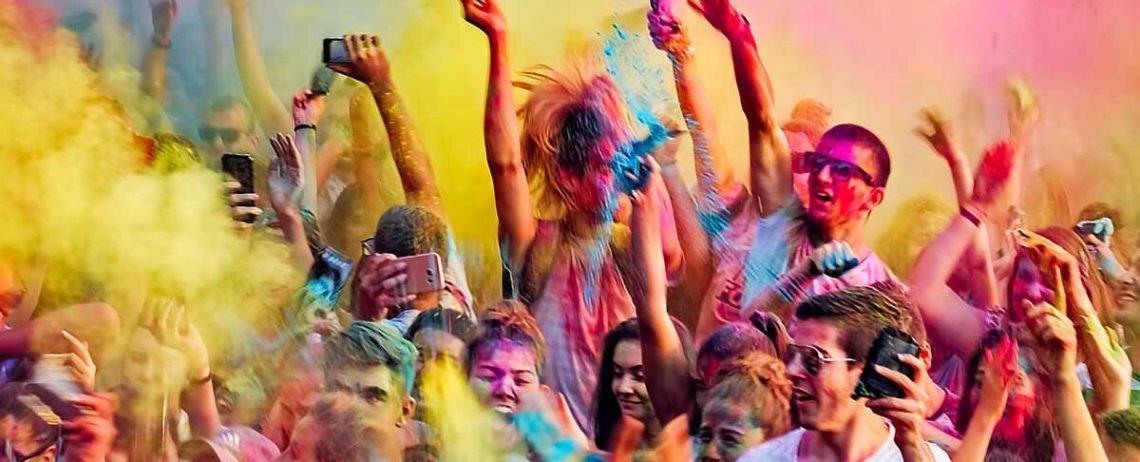
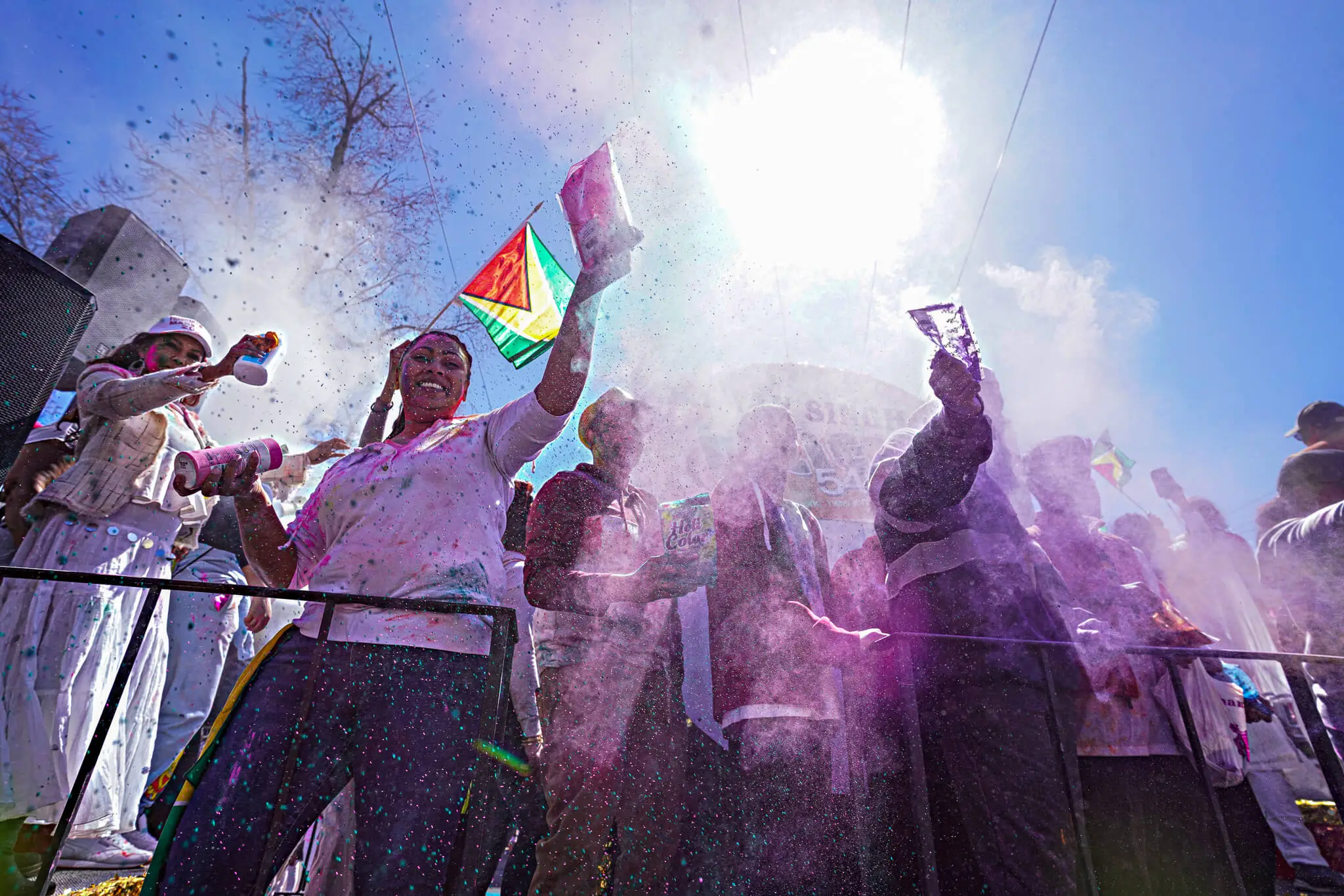
Phagwah, or Holi, is a vibrant Hindu festival celebrated with coloured powders, music, and dance, marking the triumph of good over evil and the arrival of spring. The joyful event brings together people from all backgrounds, creating a colourful spectacle that fosters unity and community spirit.
Good Friday – March 29th & Easter Monday - 1st April
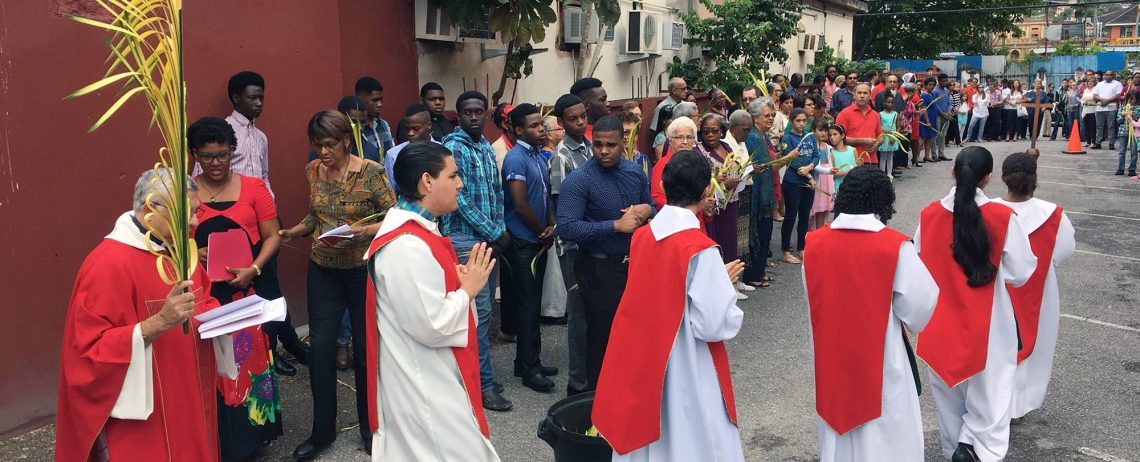
Good Friday and Easter Monday in Guyana combine solemn religious observance and joyful celebration. Good Friday features church services and fasting, while Easter Monday is known for kite flying, symbolizing resurrection, and family gatherings, blending spirituality and festivity in a unique cultural tradition.
Labour Day – May 1st
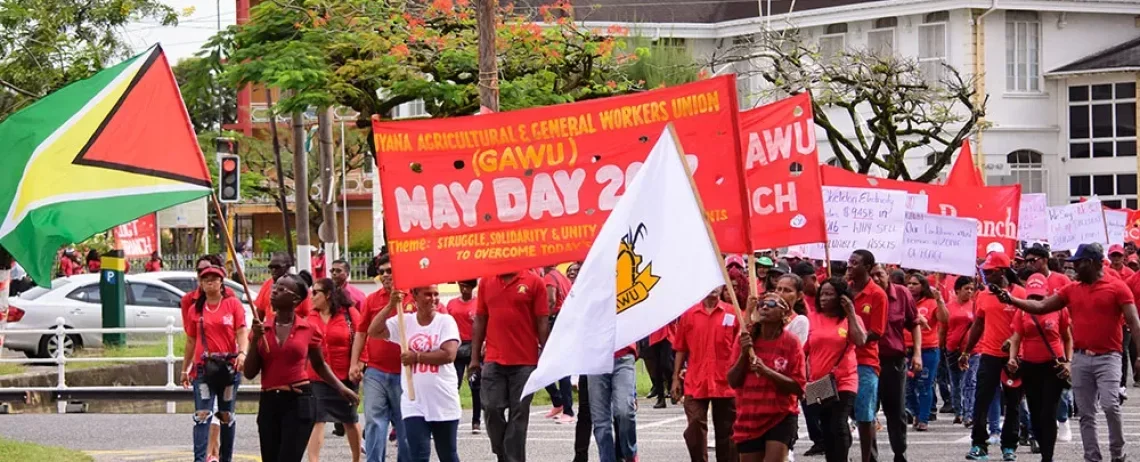
Labour Day in Guyana honours workers and the labour movement with parades, rallies, and speeches. It’s a day to reflect on workers’ rights, advocate for better conditions, and celebrate the essential role of labour in national development, marked by unity and community participation.
Indian Arrival Day – May 6th
Indian Arrival Day commemorates the arrival of Indian indentured laborers in 1838. Celebrated with cultural performances, traditional foods, and religious ceremonies, the day honours the contributions of the Indian community to Guyana’s cultural and economic development, reflecting on their rich heritage and enduring legacy.
Independence Day – May 26th
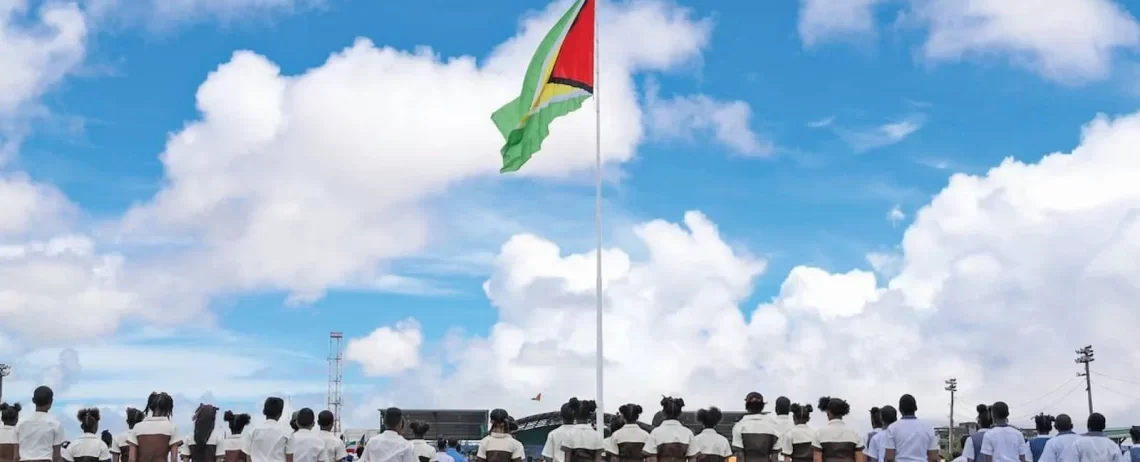
Guyana’s Independence Day, celebrated on May 26th, commemorates the country’s liberation from British rule in 1966. The day features flag-raising ceremonies, cultural performances, and fireworks, symbolizing national pride, unity, and the enduring spirit of independence that defines the Guyanese identity.
Guyana Carnival
Guyana Carnival is a lively celebration featuring colourful parades, music, and dance, held around May. Inspired by Caribbean carnivals, it showcases Guyana’s cultural diversity, attracting participants from around the world to enjoy soca rhythms, street parties, and festive performances.
Eid-al-Adha – June 17th
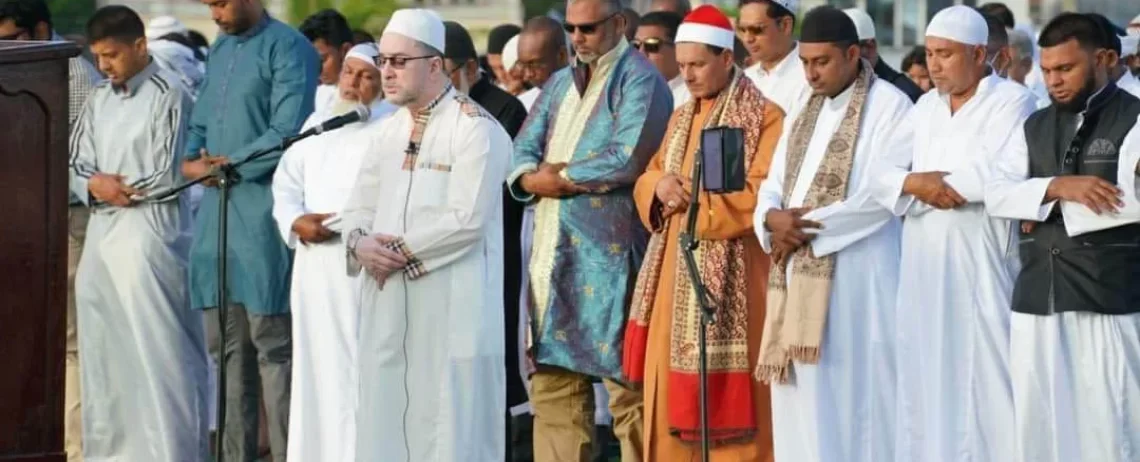
Eid-al-Adha, the Festival of Sacrifice, is an important Islamic holiday in Guyana, marked by prayers, the sacrifice of animals, and charitable giving. The festival emphasizes community, compassion, and gratitude, bringing together families and fostering unity among the Muslim community.
Caricom Day – July 1st
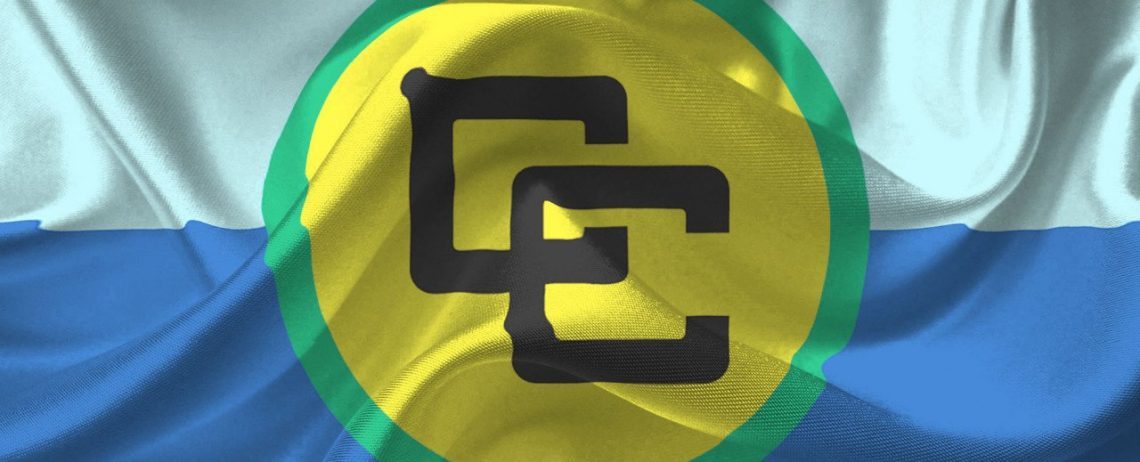
Caricom Day celebrates the Caribbean Community (CARICOM), promoting regional unity and cooperation. The public holiday features cultural displays, concerts, and speeches, highlighting shared heritage and economic ties, reminding Guyanese of their role within the broader Caribbean community.
Emancipation Day – August 1st
Emancipation Day commemorates the abolition of slavery in 1834. Celebrations include parades, traditional drumming, and dance performances, reflecting African heritage. The day honours the resilience of enslaved Africans and celebrates cultural diversity, uniting Guyanese in reflection and festivity.
Youman Nabi – September 15th-16th
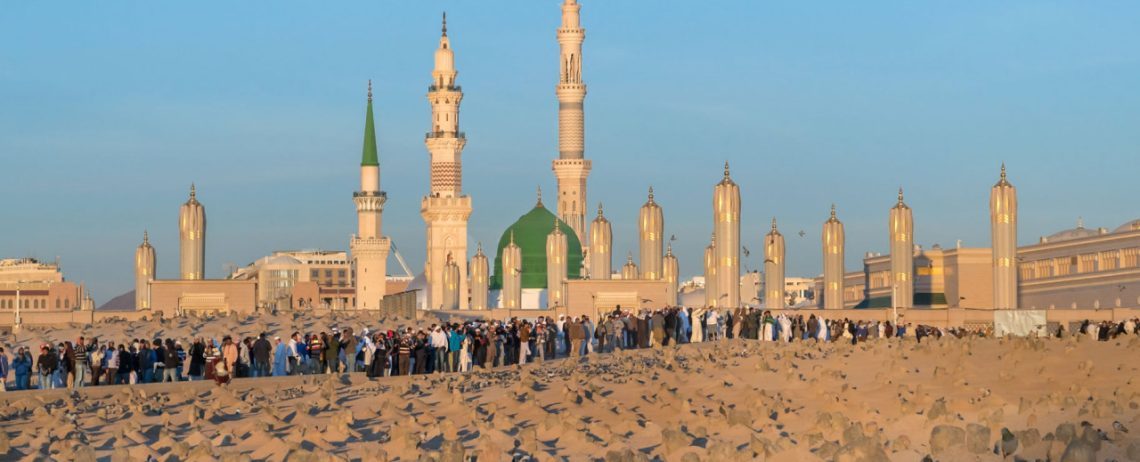
Youman Nabi, or Mawlid al-Nabi, celebrates the birth of Prophet Muhammad. Observed by Guyanese Muslims with prayers, processions, and religious lectures, the holiday fosters unity and reflection on the Prophet’s teachings, promoting spiritual renewal within the community.
Diwali – October 31st
Diwali, the Festival of Lights, is celebrated in Guyana with the lighting of diyas, feasting, and cultural performances. The Hindu festival symbolizes the victory of light over darkness and good over evil, bringing together communities in a joyous celebration of spiritual renewal.
Christmas Day – December 25th
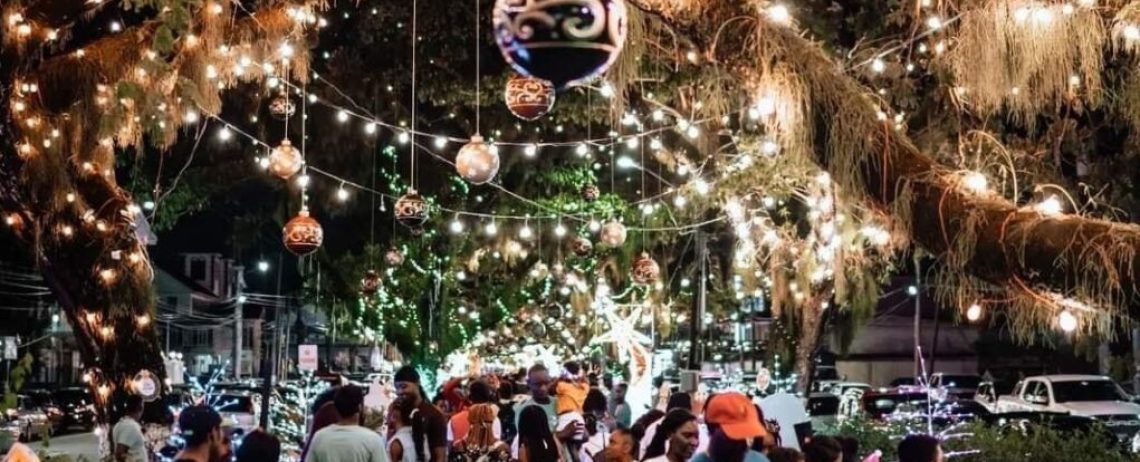
Christmas in Guyana blends religious and cultural traditions, with family gatherings, church services, and festive meals featuring pepperpot and black cake. The holiday season is marked by a joyful atmosphere, extending into the New Year with parties, concerts, and community events.
Boxing Day – December 26th
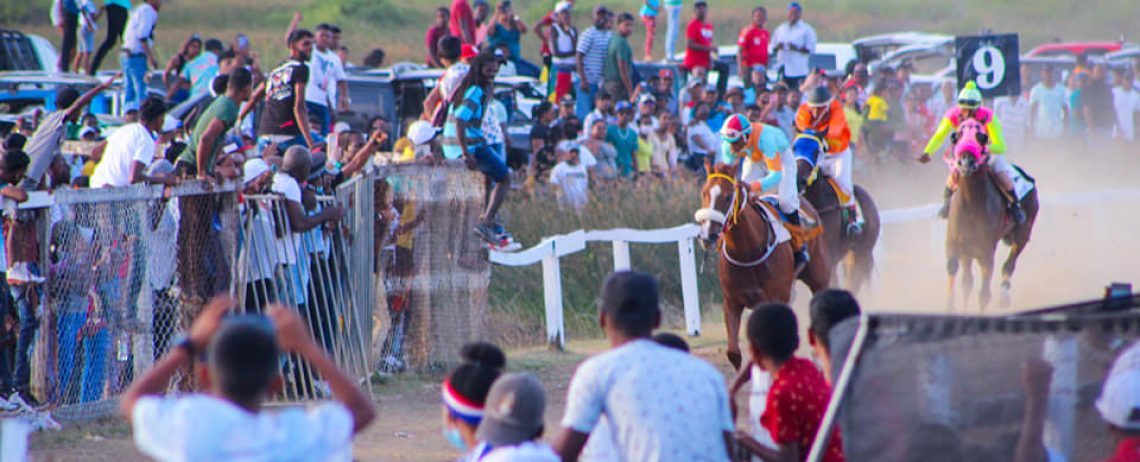
Boxing Day in Guyana, celebrated on December 26th, is a day for relaxation, family visits, and sporting events like horse racing and cricket. It extends the festive spirit of Christmas, providing another opportunity for Guyanese to come together and enjoy the holiday season.
Culinary Heritage
Guyana’s cuisine is a true reflection of our cultural mosaic. Each dish tells a story of our history, blending flavours and ingredients from Africa, India, China, Europe, and our indigenous communities. Guyana’s cuisine is a delightful fusion of flavours from around the world, reflecting the country’s diverse cultural heritage. Here are some must-try dishes:
Pepperpot (Amerindian)
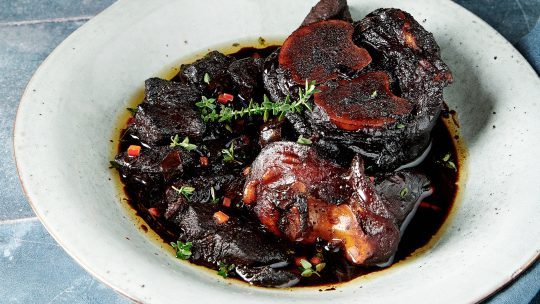
- Pepperpot, Guyana’s national dish, is a traditional Amerindian dish, slow-cooked with meat, cassareep (a cassava-based sauce), and spices. This rich and flavourful stew is often served during Christmas but is enjoyed year-round. Its unique taste and deep cultural roots make it a quintessential Guyanese dish.
Tuma Pot (Amerindian)
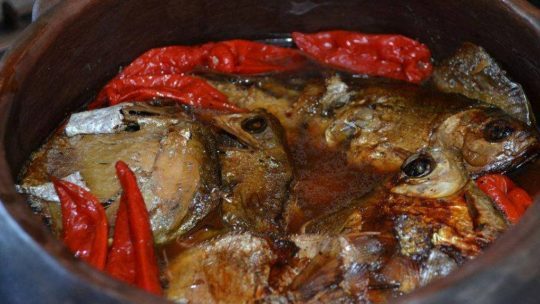
- Tuma Pot is a hearty Amerindian stew featuring fish or meat, cooked with wild herbs, cassava, and other local ingredients. It’s a traditional communal dish, often prepared for special occasions, reflecting the deep connection between the Amerindian community and the land.
Roti and Curry (Indian)
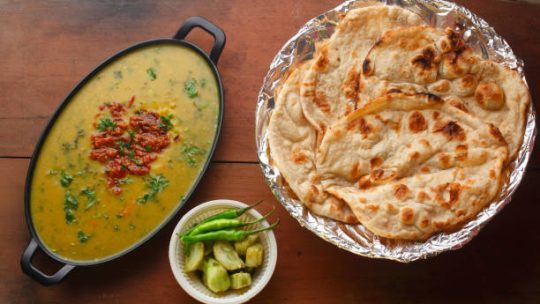
- Roti and curry are staples in Guyanese cuisine, representing the Indian influence. Roti, a soft flatbread, is served with curry made from chicken, beef, or vegetables, creating a flavourful and satisfying meal that’s cherished across Guyana.
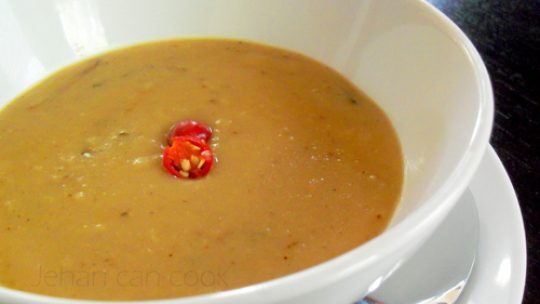
Dhal (Indian)
- Dhal is a popular Indian-inspired dish in Guyana, made from split peas cooked with turmeric, garlic, and cumin. This comforting, nutritious soup is often served with rice or roti, adding a burst of flavour to any meal.
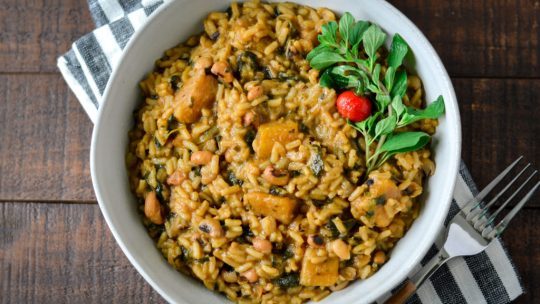
Cook-Up Rice (African)
- Cook-Up Rice is a beloved Guyanese one-pot dish, combining rice, beans, meat, and coconut milk. This African-inspired meal, rich in flavour and tradition, is a popular choice for gatherings, offering a taste of comfort and community.
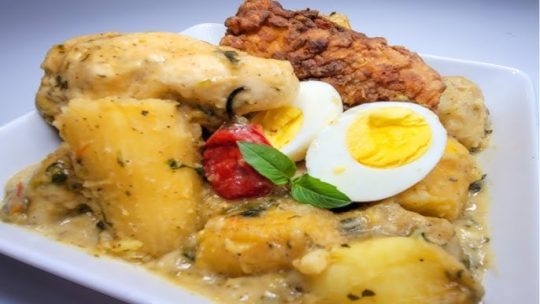
Metemgee (African)
- Metemgee is a traditional African-inspired Guyanese stew made with ground provisions like yams, sweet potatoes, and plantains, cooked in coconut milk. Often featuring fish or meat, this hearty dish is a staple in Guyanese homes, reflecting cultural resilience and warmth.
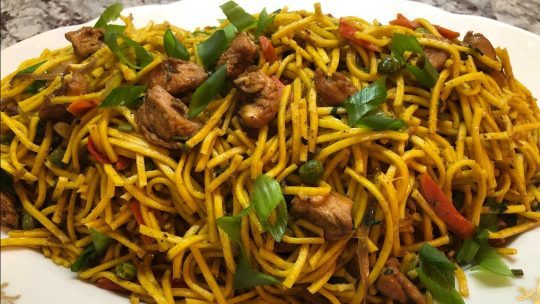
Guyanese Chow Mein (Chinese)
- Guyanese Chow Mein reflects the Chinese influence on local cuisine. This stir-fry dish features noodles, vegetables, and meat, seasoned with soy sauce and spices. It’s a flavourful and versatile meal that’s become a favourite in many Guyanese households.
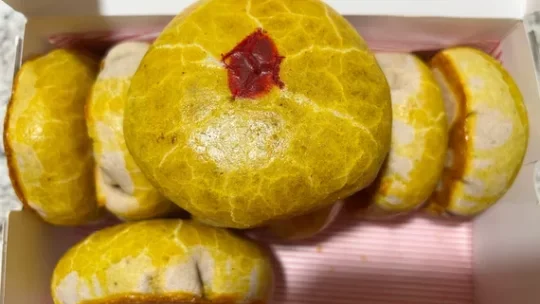
Chinee Cake (Chinese)
- Chinee Cake is a sweet pastry with Chinese roots, popular in Guyana. Made with black-eyed beans, flour, sugar, and spices, this soft, flaky treat is often enjoyed with tea, reflecting the fusion of Chinese culinary traditions with local flavours.
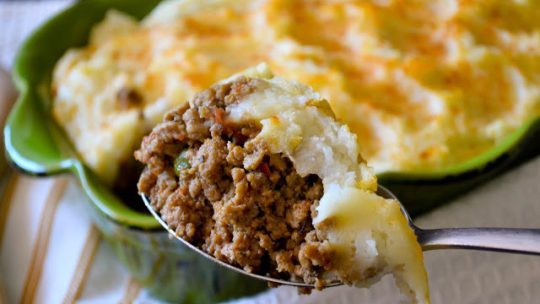
Shepherd’s Pie (English)
- Shepherd’s Pie is a comforting English dish adapted in Guyana, consisting of seasoned minced meat topped with mashed potatoes and baked to perfection. It’s a hearty meal that has become a staple in Guyanese homes, reflecting the enduring influence of British cuisine.
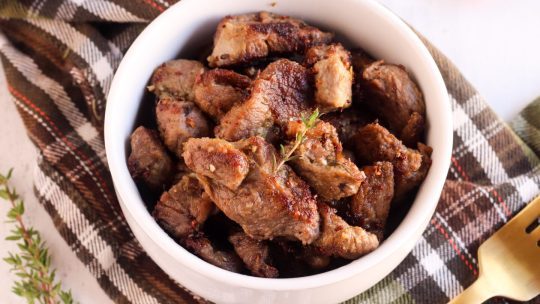
Garlic Pork (Portuguese)
- Garlic Pork is a Portuguese-inspired dish, traditionally prepared for Christmas in Guyana. Marinated in garlic, vinegar, and spices, the pork is then fried, creating a savory and aromatic dish that’s a festive favourite, celebrating the Portuguese influence on Guyanese cuisine.
Nations and Traditions
Guyana’s Indigenous peoples, often referred to as the first peoples, are vital to the nation’s cultural and historical identity. These communities have safeguarded their unique traditions, languages, and crafts for centuries, enriching the country’s diverse heritage. There are nine recognized Indigenous nations in Guyana: the Arawak, Wai Wai, Carib, Akawaio, Patamona, Wapishana, Macushi, Warrau, and Arecuna. Each nation possesses distinct customs, beliefs, and ways of life, offering a unique perspective on the cultural mosaic of Guyana.
MORE ABOUT GUYANESE CULTURE
Language and Storytelling
Language in Guyana is a powerful reflection of its diverse cultural heritage. English serves as the official language, but Guyanese Creole, rich with African, European, and Indigenous influences, is widely spoken, infusing daily life with vibrant expression. Indigenous languages like Macushi and Wapishana are preserved in their communities, maintaining a strong oral tradition.
Storytelling in Guyana is a vital cultural practice, weaving together history, folklore, and identity. Renowned authors and poets such as Martin Carter, A.J. Seymour, Wilson Harris, and Ian McDonald have used language to explore the complexities of Guyanese life. Indian writers like Rajkumari Singh and Rooplall Monar have also made significant contributions, capturing the experiences of the Indo-Guyanese community.
These literary figures, through poetry and prose, have given voice to the nation’s struggles, dreams, and resilience, ensuring that the rich tapestry of Guyana’s culture is preserved and celebrated for generations to come.
Religion and Spirituality
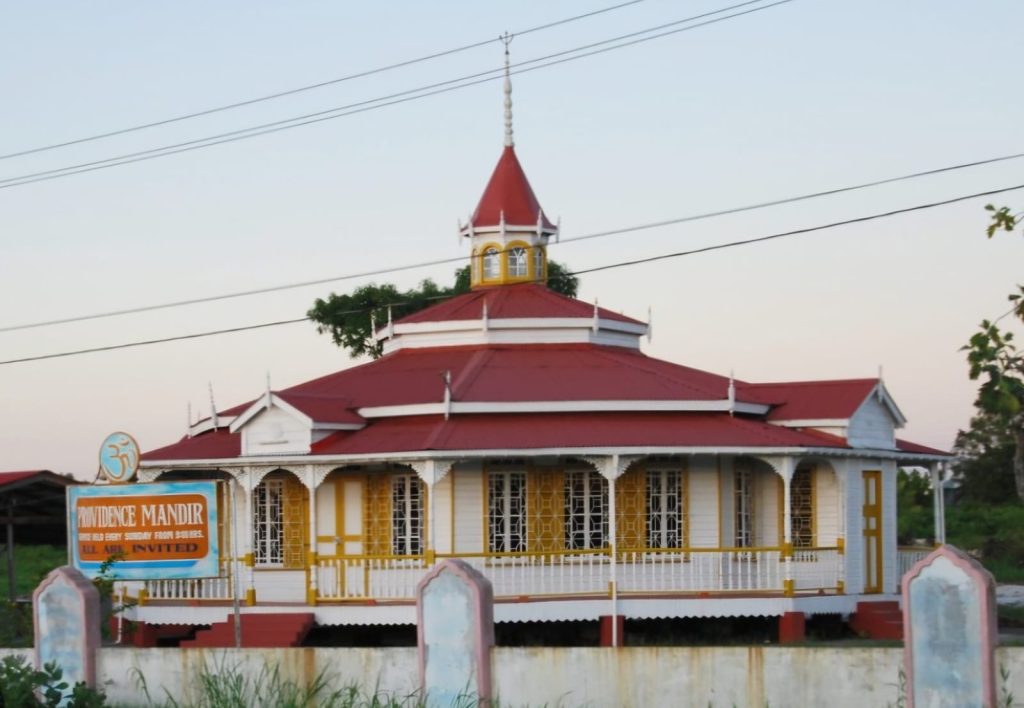
Guyana’s spiritual landscape is as diverse as its cultural one. Major religions include Christianity, Hinduism, Islam, and traditional Indigenous beliefs. This diversity is reflected in the numerous religious festivals and places of worship across the country.
Museums and Educational Centres
Guyana boasts several institutions dedicated to preserving and promoting its cultural heritage. Visitors can explore museums, art galleries, and cultural centers that provide insight into the country’s history and artistic expressions.
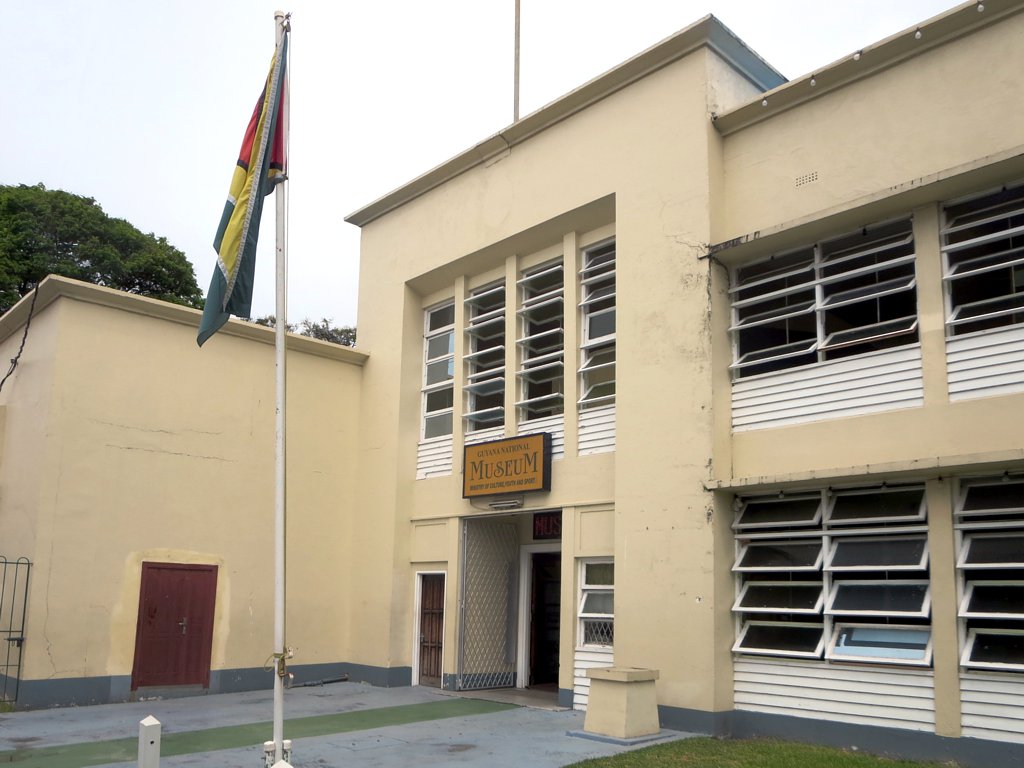
National Museum of Guyana: Located in Georgetown, this museum offers a comprehensive look at Guyana’s history, from its prehistoric past to contemporary times.
Walter Roth Museum of Anthropology: Specializes in the Indigenous cultures of Guyana, showcasing artifacts, tools, and traditional crafts.
National Art Gallery (Castellani House): Exhibits works by Guyanese artists, reflecting the country’s vibrant art scene.
Museum of African Heritage: Located in Georgetown, focuses on the African heritage of Guyana, displaying artifacts, artworks, and cultural items.
John Campbell Police Museum: Offers a glimpse into the history and development of the Guyana Police Force, showcasing uniforms, equipment, and memorabilia.
The Guyana Heritage Museum: Located in Met-en-Meerzorg, this museum houses a private collection of artifacts and memorabilia related to Guyana’s history.
The Rupununi Weavers Society Museum: Dedicated to preserving and showcasing the traditional weaving techniques of the Indigenous peoples of the Rupununi region.
The Philatelic Museum: Displays an extensive collection of Guyanese stamps and postal history.
Dutch Heritage Museum: Located on Fort Island, this museum is set within the historic Court of Policy building and highlights the Dutch colonial history of Guyana.
Cultural Centres
National Cultural Centre: The premier venue for performing arts, hosting theatre, music, and cultural events, and representing the country’s rich artistic heritage and diversity.
Plaisance Cultural Site: A cultural site in the village of Plaisance, which celebrates and preserves local traditions and history.
Buxton/Friendship Museum, Archives and Culture Centre: Focuses on the history and culture of the Buxton and Friendship communities, highlighting their contributions to the national heritage.
Indian Cultural Centre: Located in Georgetown, this facility promotes the rich cultural heritage of India in Guyana, offering classes in Indian music, dance, and yoga, along with cultural events and festivals.
Traditional Clothing
The traditional clothing of Guyana is as diverse as its people. Each ethnic group has its own unique attire, often worn during cultural celebrations and festivals.
Indigenous Dress: Traditional clothing among Indigenous communities often includes garments made from natural materials like cotton, animal hides, and decorated with beads and feathers. The intricate designs symbolize their connection to nature and their heritage.
African Dress: African attire in Guyana includes vibrant prints and patterns, such as dashikis, headwraps, and kaftans. These garments are often worn during cultural celebrations, showcasing the pride in African ancestry.
Indian Dress: Indian traditional dress includes sarees for women, often adorned with detailed embroidery, and kurta-pyjamas for men. These garments are typically worn during festivals like Diwali and weddings, representing the Indian cultural influence in Guyana.
Portuguese Dress: Portuguese traditional dress in Guyana is less commonly seen today but historically included European-style garments adapted to the tropical climate, such as cotton dresses and suits.
Chinese Dress: The Chinese community in Guyana traditionally wears garments like the qipao for women and changshan for men, often featuring intricate silk embroidery. These are worn during Lunar New Year celebrations and other cultural events.
Creole Dress: The Creole community’s dress is a fusion of European styles with local adaptations, including cotton dresses and headscarves. This style reflects the blend of influences that characterize Creole culture in Guyana.
Music and Dance
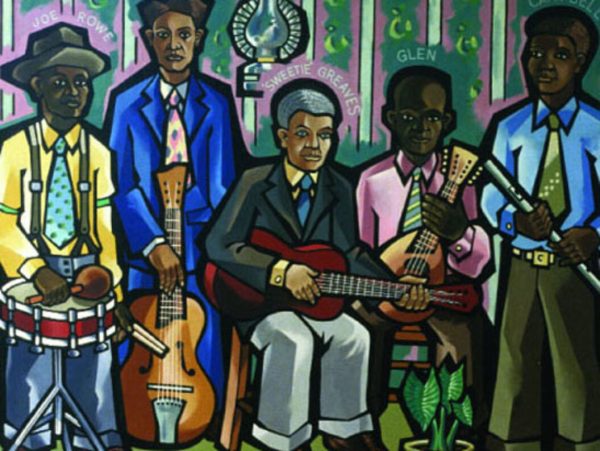
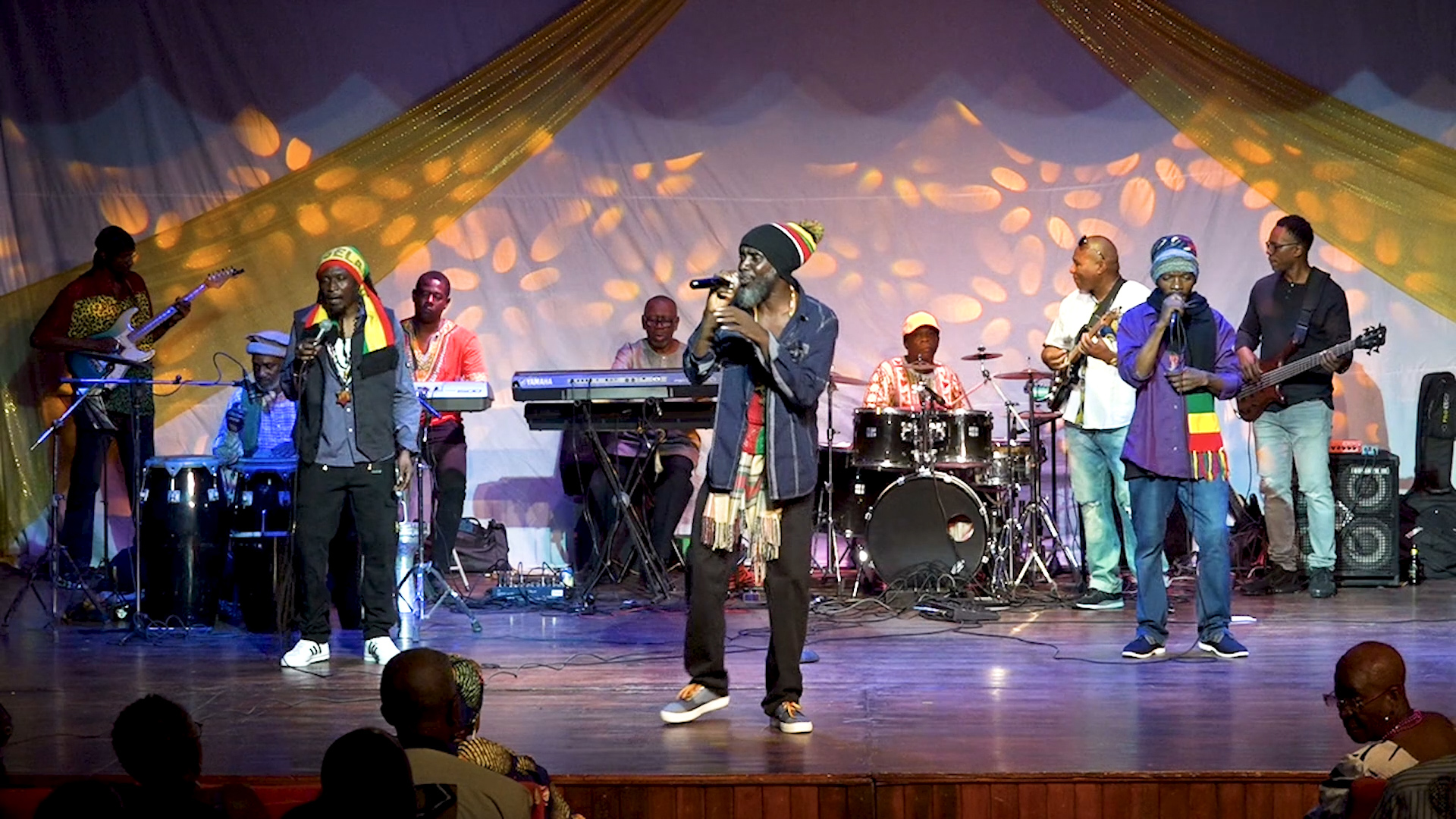
Music and dance are at the heart of Guyanese culture. Our soundscape is a rich blend of African rhythms, Indian beats, Chinese melodies, and indigenous tunes. Genres like reggae, calypso, soca, chutney, and folk music are popular, with local bands and performers captivating audiences at festivals, clubs, and events.
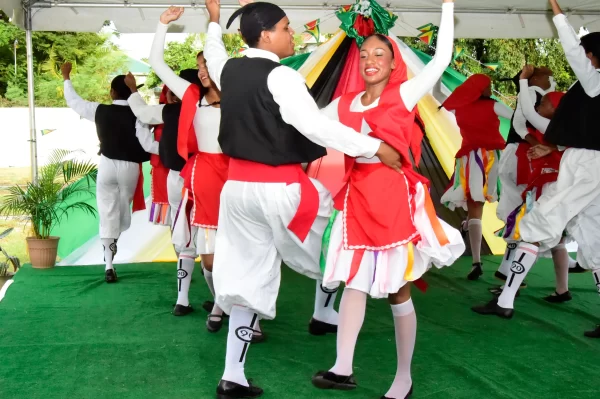
Drumming and Dance: Traditional African drumming and dance forms like the Kwe-Kwe and Conga are integral to our cultural celebrations. These performances are a powerful expression of our history and heritage. Indian culture has the Tadja and Tassa traditions that are still maintained to this day. All of the cultures have their own dance styles that make for a rich mosaic.
Indigenous Music: The Amerindian communities contribute unique sounds and instruments, such as the flute and drum, to our musical tapestry. Their traditional songs often tell stories of their land, ancestors, and daily life.
Calypso and Soca: Reflecting African and Caribbean influences, these lively music genres are often played during festivals and celebrations.
Chutney Music: A fusion of Indian and Caribbean rhythms, chutney music is popular among the Indo-Guyanese community and is often accompanied by energetic dancing.
Guyana’s culture is a vibrant and dynamic mosaic, where African, Indian, Chinese, European, and Indigenous traditions intertwine to form a unique cultural identity. This blend of influences is evident in every aspect of life—from the colorful festivals and diverse cuisine to the rich music and art scenes. Guyana offers a cultural experience like no other, where history, tradition, and modernity coexist in harmony. Whether you’re delving into our stories, tasting our food, or participating in our celebrations, Guyana invites you to explore, discover, and be captivated by its warm, welcoming spirit. Welcome to the best place you still need to visit.