





Travel Guyana
Travel Guyana

Let’s Connect!
[email protected]
About Us
Welcome to Travel Guyana, where everything sweet about Guyana comes alive! From the mouth-watering pepperpot and cassava bread to the rich blend of cultures that make up our festivals and everyday life, we’re here to tell the world what makes us special.
Gallery
Social Account
Journey to Shell Beach: Witnessing Guyana’s Ancient Sea Turtle Nesting
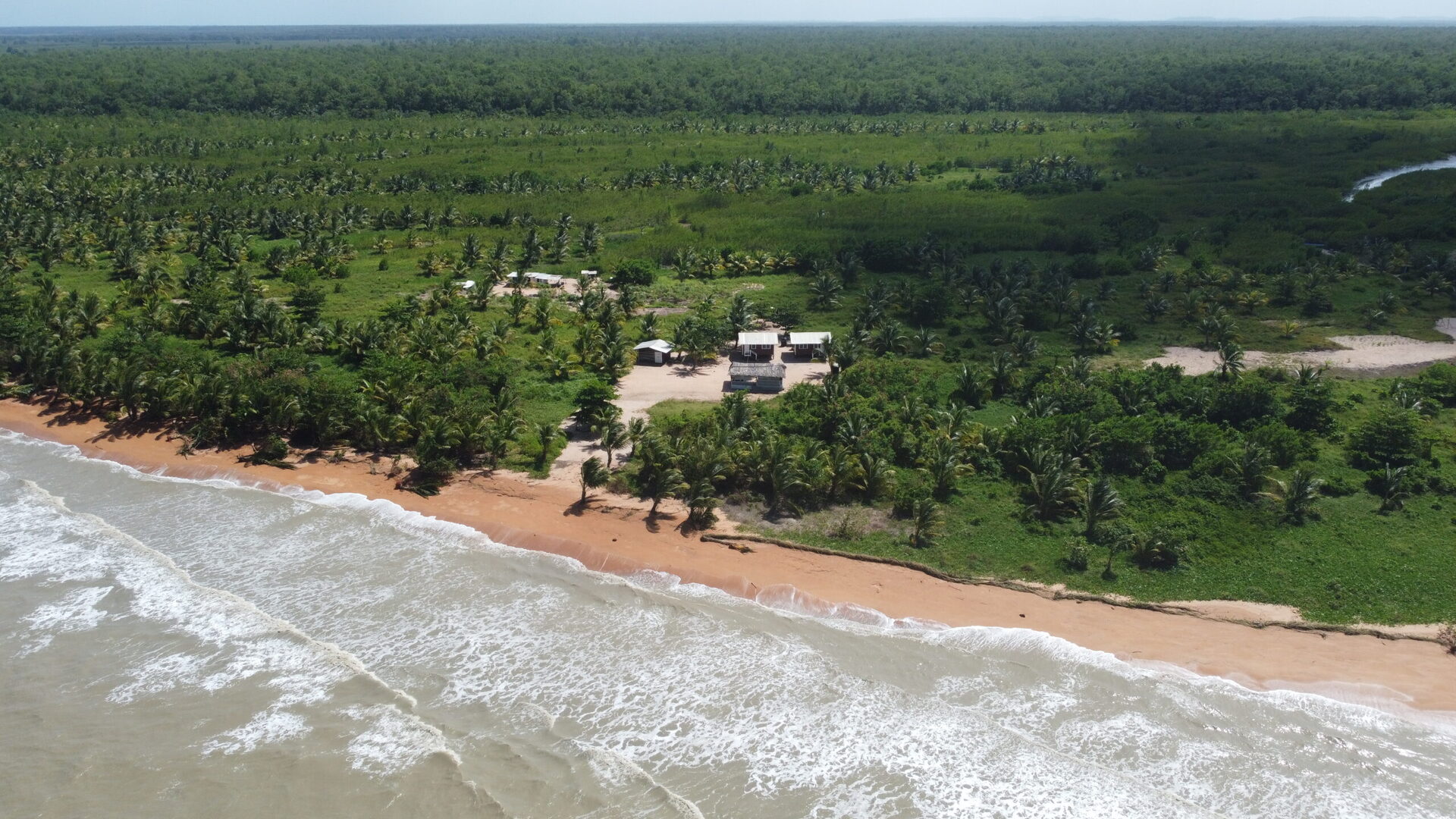
If you are looking for an eco-tourism experience that will leave you truly breathless, the remote northwestern coastline of Guyana offers something profoundly special. Stretching for about 90 miles along the Atlantic coast, not far from the Venezuelan border, lies Shell Beach. Named for the thousands of tiny broken shells that cover its expanse, this remote landscape is the stage for one of nature’s most incredible ancient rituals.
Here is everything you need to know about visiting Shell Beach and witnessing the magnificent marine turtles of Guyana.
1. A Vital Sanctuary for Marine Giants
Most turtle nesting sites around the world are visited by only one or two species, but Shell Beach is a vital nesting ground for four distinct species of endangered marine turtles. Between March and August every year, the beach welcomes the Leatherback (the largest of all sea turtles), the Green turtle, the Hawksbill, and the Olive Ridley.
Under the cover of darkness, these massive females emerge from the Atlantic surf, often returning to the exact same spot where they were born decades earlier. They painstakingly dig an egg chamber, lay approximately 100 eggs, cover them with sand, and return to the ocean. To watch a giant Leatherback, which migrates from as far away as Nova Scotia, pull herself onto the Guyanese shore is an incredibly humbling experience.
2. The Journey is Part of the Adventure
Getting to Shell Beach is an expedition in itself, requiring expert navigation and a true sense of adventure. Because it is a protected area, you cannot just drive there; you need government-issued permits and experienced boat captains.
The journey typically involves traveling up the Atlantic coast and navigating the dark, “Coca-Cola” colored waters of the Pomeroon River. You will speed through dense mangrove forests and navigate river systems known for their perilous “99 turns” before finally arriving at the open ocean and Almond Beach. Along the way, keep your eyes peeled for the brilliant red flashes of thousands of Scarlet Ibis, as well as jaguars that inhabit the surrounding coastal forests.
3. Conservation in Action
This fragile cycle of life is protected by the dedicated rangers of the Protected Areas Commission and the Guyana Marine Turtle Conservation Society, which was founded in 2000. When you visit, you will likely have the opportunity to join these conservation wardens on their night patrols to locate nesting sites, protect hatchlings, and collect vital data.
Tips for a Sustainable Visit
Because this is a highly sensitive ecological zone, strict guidelines must be followed to ensure the safety of the turtles:
-
Keep it Dark: Females require dark, quiet beaches to nest safely. Flash photography, bright flashlights, and even light-colored clothing are strictly prohibited.
-
Keep Your Distance: Always maintain a respectful, quiet distance from nesting mothers and emerging hatchlings.
-
When to Visit: Plan your expedition between March and August for the highest chance of seeing nesting mothers or tiny hatchlings making their mad dash to the sea.
-
Leave No Trace: Visitors must pack out all trash, as debris on the beach poses a major threat to turtles.
Are you ready to witness one of the world’s most spectacular wildlife events? Connect with us at Travel Guyana (www.travelguyana.co) to help arrange your permits, transportation, and an unforgettable eco-tour to Shell Beach!
Share Article:

Anik Rahaman

