


Travel Guyana

Welcome to Travel Guyana, where everything sweet about Guyana comes alive! From the mouth-watering pepperpot and cassava bread to the rich blend of cultures that make up our festivals and everyday life, we’re here to tell the world what makes us special.


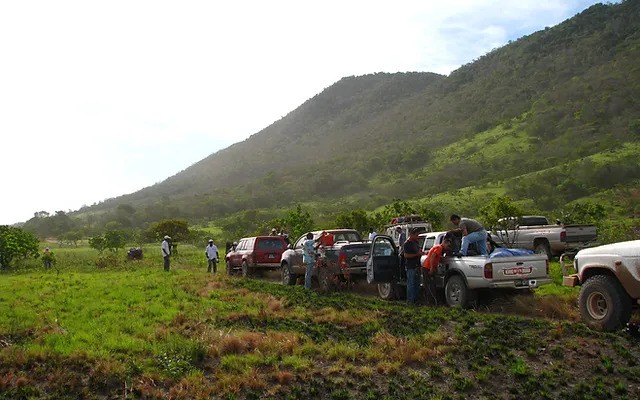
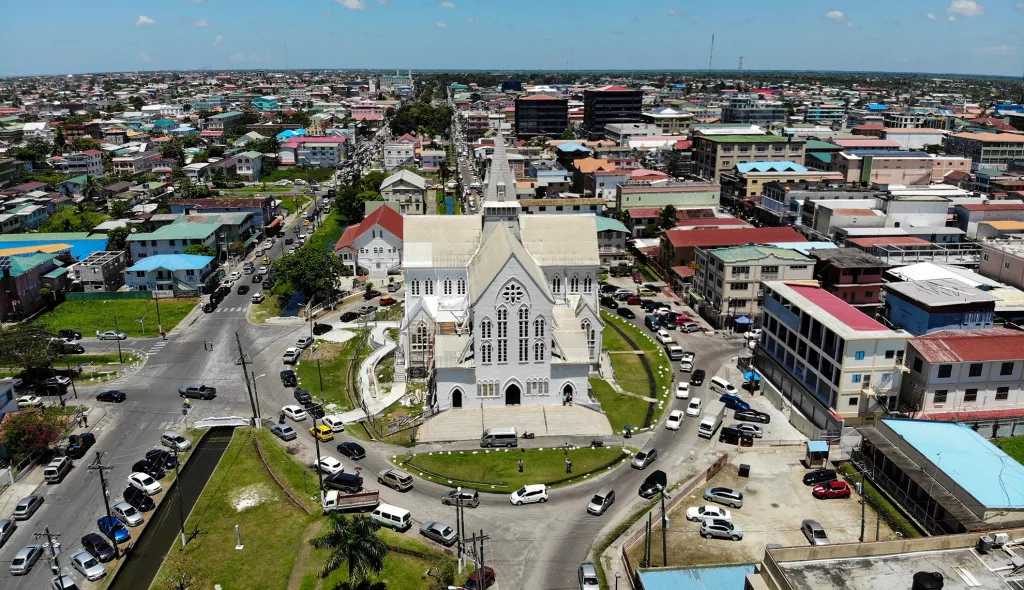
Deep in the North Rupununi region of southwestern Guyana, the landscape refuses to settle on a single identity. Here, expansive golden savannahs give way to seasonal wetlands, gallery forests, and the winding, tannin-dark channels of the Rupununi River. At the heart of this ecological crossroads sits Karanambu Lodge, one of South America’s most storied conservation retreats.
If you are mapping out an interior wildlife expedition with Travel Guyana, here is why this historic ranch and eco-lodge belongs at the center of your itinerary.
Settled in 1927 by Tiny McTurk as a remote cattle ranch and balata (wild rubber) collection station, Karanambu evolved over the decades from a frontier homestead into a globally recognized conservation hub.
The lodge is perhaps best known as the lifelong home of the late Diane McTurk—affectionately known around the world as Guyana’s “Otter Lady.” For decades, she dedicated her life to rehabilitating orphaned and injured giant river otters (Pteronura brasiliensis) and reintroducing them to the wild waters of the Rupununi.
Today, the Karanambu Trust carries that torch forward, protecting 110 square miles of diverse habitat in partnership with neighboring Makushi communities, including Kwaimatta, Massara, Yupukari, and Toka.
Because Karanambu integrates four distinct ecosystems—wetlands, savannahs, river systems, and forest patches—the biodiversity surrounding the lodge is staggering. Rather than viewing wildlife behind fences, guests head out at dawn and dusk with expert local guides across land and water:
On the River: Early morning and late afternoon boat excursions navigate the Rupununi River and its quiet oxbow lakes, where territorial families of giant river otters hunt for fish, and massive black caimans patrol the banks.
Across the Savannah: Pre-dawn 4×4 drives across the open grasslands offer some of the highest chances in Guyana to spot the elusive giant anteater foraging among towering termite mounds.
In the Forest & Sky: With over 600 recorded bird species in the wider Rupununi region, birdwatchers can search gallery forests and flooded ponds for the iconic jabiru stork, the striking Agami heron, the capuchinbird, and giant Boat-billed herons.
One of Karanambu’s most unforgettable traditions takes place just as the equatorial sun begins to dip below the horizon.
Guests glide by boat into tranquil backwater ponds carpeted with Victoria amazonica—the world’s largest water lily and the national flower of Guyana. With pads stretching up to ten feet in diameter, these aquatic giants put on a remarkable biological performance at twilight:
Night One: As darkness falls, the massive buds slowly open to reveal pristine white petals, releasing a sweet, pineapple-like fragrance designed to attract pollinating scarab beetles.
Night Two: Having trapped the beetles overnight to ensure pollination, the flower reopens on its second evening flushed in shades of deep pink and ruby red, releasing the insects to carry pollen to the next bloom.
Watching the lilies open while sipping Karanambu’s signature rum punch on still, mirror-like water is a quintessential Guyanese experience.
Staying at Karanambu feels like stepping into the romance of early 20th-century exploration without sacrificing essential comforts.
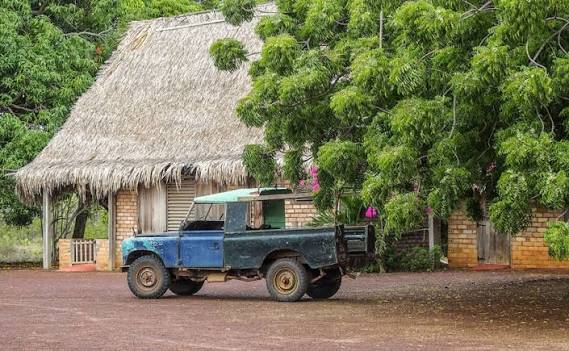
Traditional Cabins: Guests stay in six individual, traditional clay-brick and palm-thatched benabrondavels, each equipped with en-suite bathrooms, walk-in mosquito nets, and shaded verandas slung with hammocks.
Off-Grid Sustainability: The lodge operates on 24-hour solar electricity, blending low-impact eco-hospitality with the timeless rhythm of the savannah.
Communal Dining: Evenings are spent sharing home-cooked Guyanese meals in the historic main dining room, trading stories of the day’s wildlife sightings with guides and fellow travelers.
Reaching Karanambu requires coordinating domestic charter flights to the ranch’s airstrip or timing seasonal 4×4 overland and river transfers from Lethem and the Iwokrama Forest.
At Travel Guyana, we connect you with the flights, verified guides, and custom itineraries needed to experience the North Rupununi seamlessly. Whether you want to track giant anteaters at sunrise or drift among blooming giant water lilies at dusk, our platform makes exploring Guyana’s interior effortless.
Ready to explore the Rupununi wetlands? Visit Travel Guyana to start planning your bespoke wildlife adventure today!